

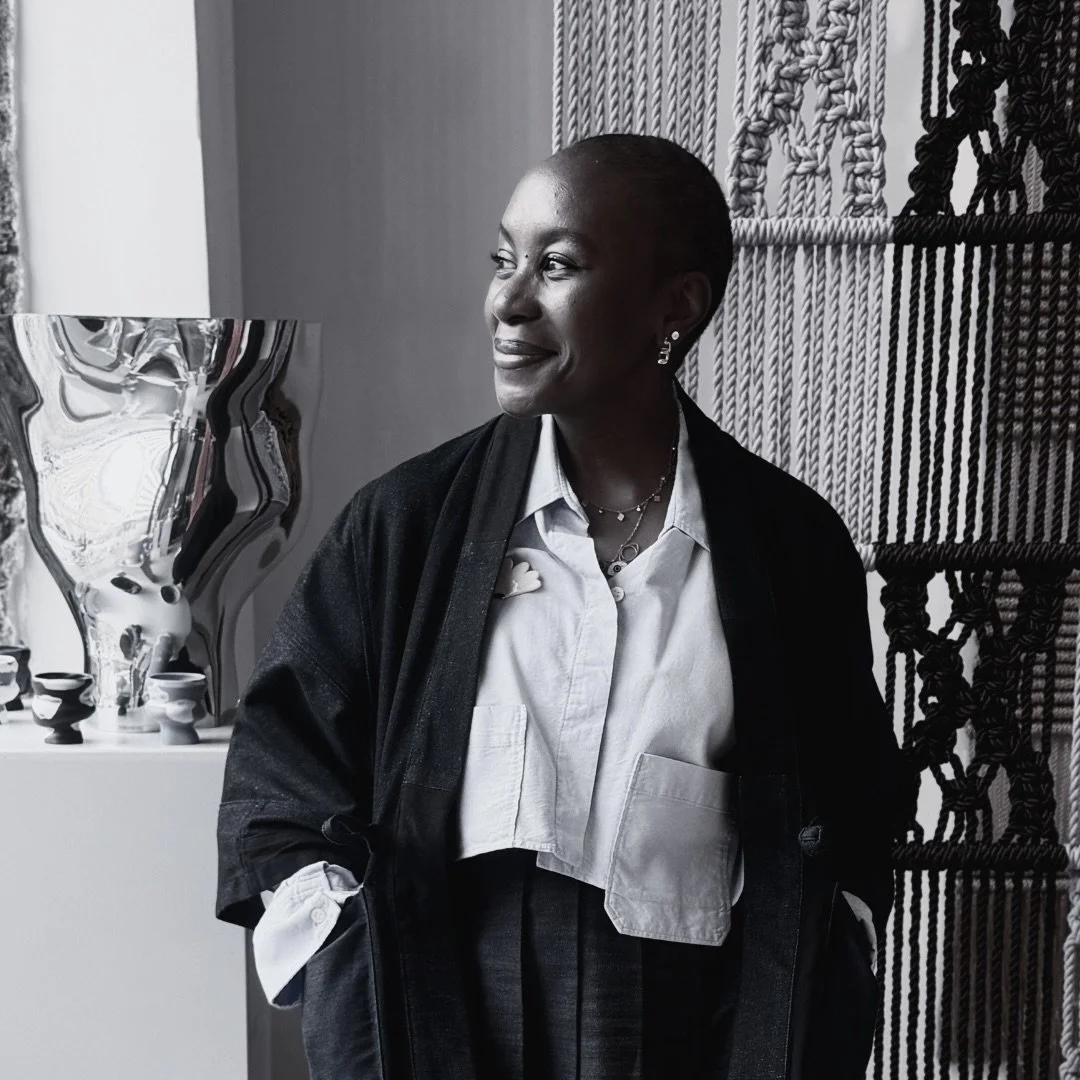
A beautiful consequence of writing this newsletter is that I get to connect with talented designers and artists across the African continent. Reading through Mpho’s thoughtful answers made me feel very grateful that I found an opportunity to learn more about her story. For those who don’t already know, Mpho Vackier is the founder and Creative Director of Johannesburg-based design studio TheUrbanative.
With a background in engineering and interior design, Mpho’s work explores contemporary African narratives through furniture and objects, using material, craft and making as tools for storytelling. In this interview, she talks about the unexpected beauty of her city, Johannesburg, and her ongoing exploration of how African stories can be expressed through contemporary design. I’d encourage you to have a little coffee break and read to the end of this one—I’m convinced you’ll find Mpho just as inspiring as I do.
WHERE ARE YOUR ROOTS? I was born in Johannesburg and grew up between Soweto and the North West. I think my roots are also very much in the women who raised me. I grew up in a matriarchal family, surrounded by strong women, and my mother was a seamstress. Some of my earliest memories are of sitting at her feet while she sewed, with my own little toy sewing machine, watching her turn fabric into something completely new. I thought I would become a fashion designer one day. Life took me through engineering first, and eventually back to design, but I think that instinct to make has always been there. Looking back, the route was not as indirect as it once seemed. Engineering taught me how things work, while my upbringing taught me about making, resourcefulness, storytelling and the value objects can carry. All of those things now sit together in my work.
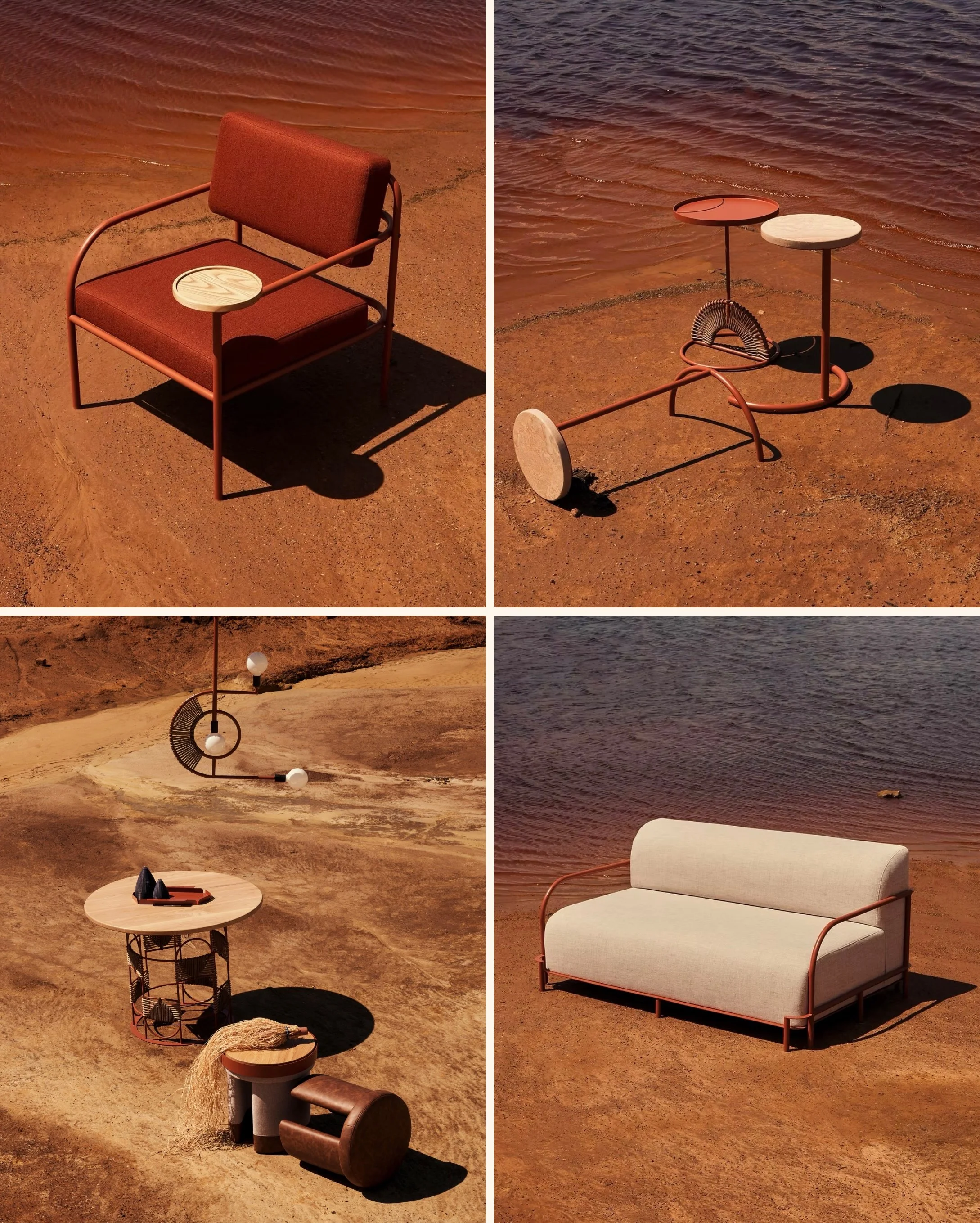
TELL US ABOUT WHERE YOU CURRENTLY LIVE? I live in Johannesburg, and I think it is a city that suits me because it is difficult to define neatly. It is layered, energetic, imperfect and constantly changing. Johannesburg is also where TheUrbanative has grown up. Our studio and workshop are here, so I am surrounded by the realities of making things. There are fabricators, artisans, manufacturers and an incredible creative community within reach.
I also love that Johannesburg doesn't reveal itself immediately. You have to look a little harder. There are these unexpected pockets of beauty, creativity and community everywhere. I think that has probably influenced the way I look at design too. I am interested in what sits beneath the surface.
DESCRIBE WHAT YOU MAKE AND WHAT YOU’RE PASSIONATE ABOUT. I make furniture, objects and increasingly collectible pieces through TheUrbanative, but what I am really interested in is using design as a way of telling stories. Our work starts with African narratives, histories, people, places or cultural references and asks how those ideas can be translated into contemporary objects. I am very deliberate about the word translated. I am not interested in simply applying a pattern or motif to an object and calling it African design. I want the story to influence the construction, proportion, material or detail of the piece.
I am passionate about materials and how things are made. I can become slightly obsessive about a junction, a finish or how two completely different materials meet. That is probably the engineer in me. But ultimately, I am passionate about representation. I want to make objects that allow our stories to occupy contemporary spaces naturally and confidently, both here and internationally.
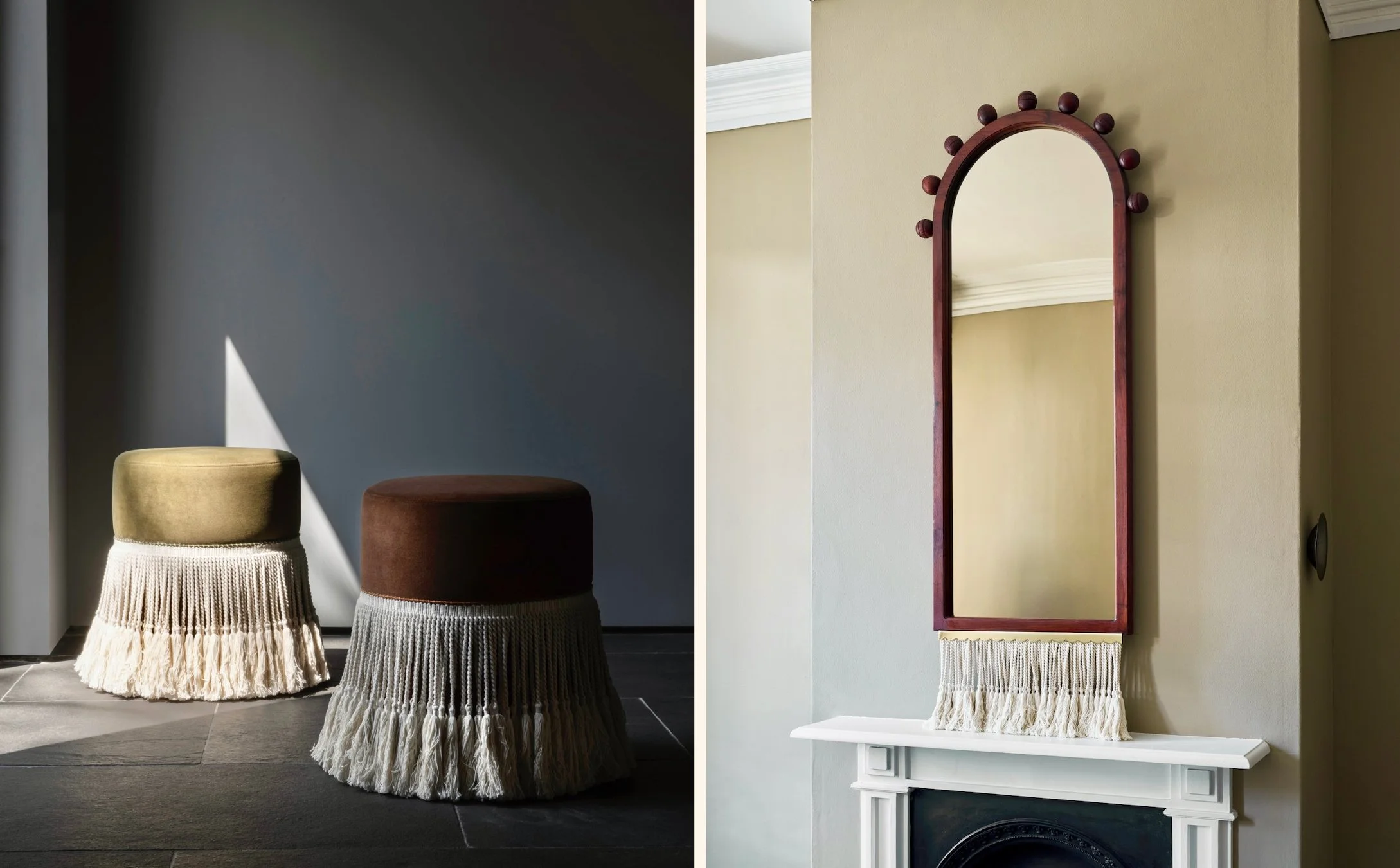
HOW DOES PLACE INFORM WHAT YOU DO? Place is incredibly important to me, although I don't think of place as simply geography. Place is people, language, memory, material, landscape, craft and the way people live. It is also the things you remember from childhood without necessarily realising that you have carried them with you. Our work is designed and made in Johannesburg, and being close to the making process has a huge influence on what we design. Sometimes an idea changes because of a conversation with someone in our workshop, because a material behaves differently from what we expected or because a particular manufacturing process reveals another possibility.
At the same time, I am very curious about the wider African continent. Research has taken our work into stories about Ndebele visual language, traditional hairstyles of the Oromo and Fulani people, the Mangbetu and Mbalantu, landscapes, languages and ideas around home and belonging. For me, being rooted in a place doesn't mean being limited by it. I actually think the more specific and honest you are about where something comes from, the more universally it can resonate.
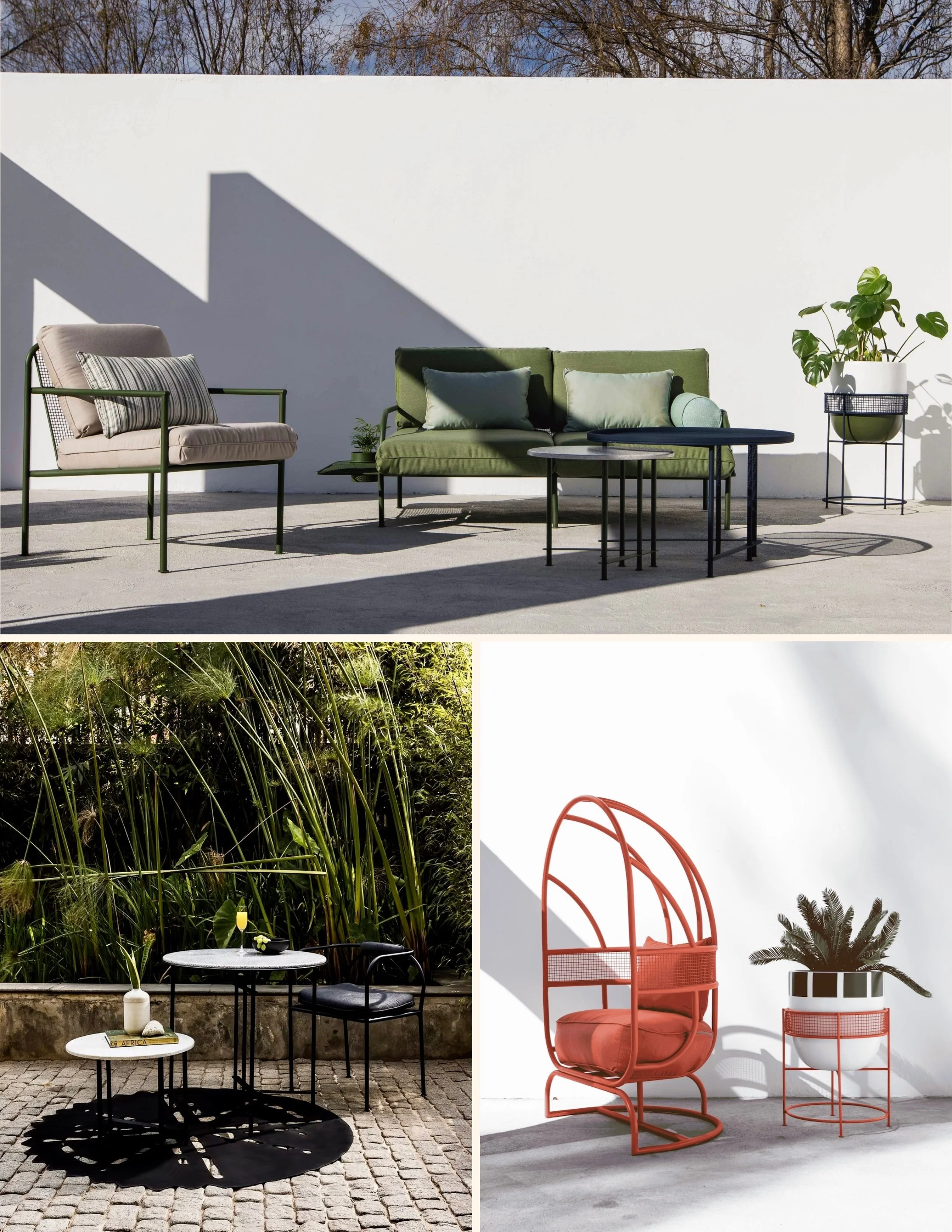
WHAT ARE YOUR THOUGHTS ON AFRICAN DESIGN? I don't think there is one African design aesthetic, and I think that is probably the most important starting point. Africa is far too vast, layered and culturally diverse for African design to be reduced to a particular palette, pattern or material. For a long time, there was a very narrow visual vocabulary used to communicate "African" design. I have always wanted to push against that. What excites me now is the confidence and diversity of contemporary African design. Designers are looking at heritage, craft, technology, identity and material through completely different lenses. Some work is quiet and minimal, some is exuberant, some is deeply rooted in traditional craft and some is highly industrial. All of it can be African.
I think our responsibility as designers is not necessarily to create something that looks African, but to create work that is authentic to our own experiences and perspectives. For TheUrbanative, that means telling African stories without freezing them in the past. Culture evolves. People evolve. Design should be allowed to do the same.
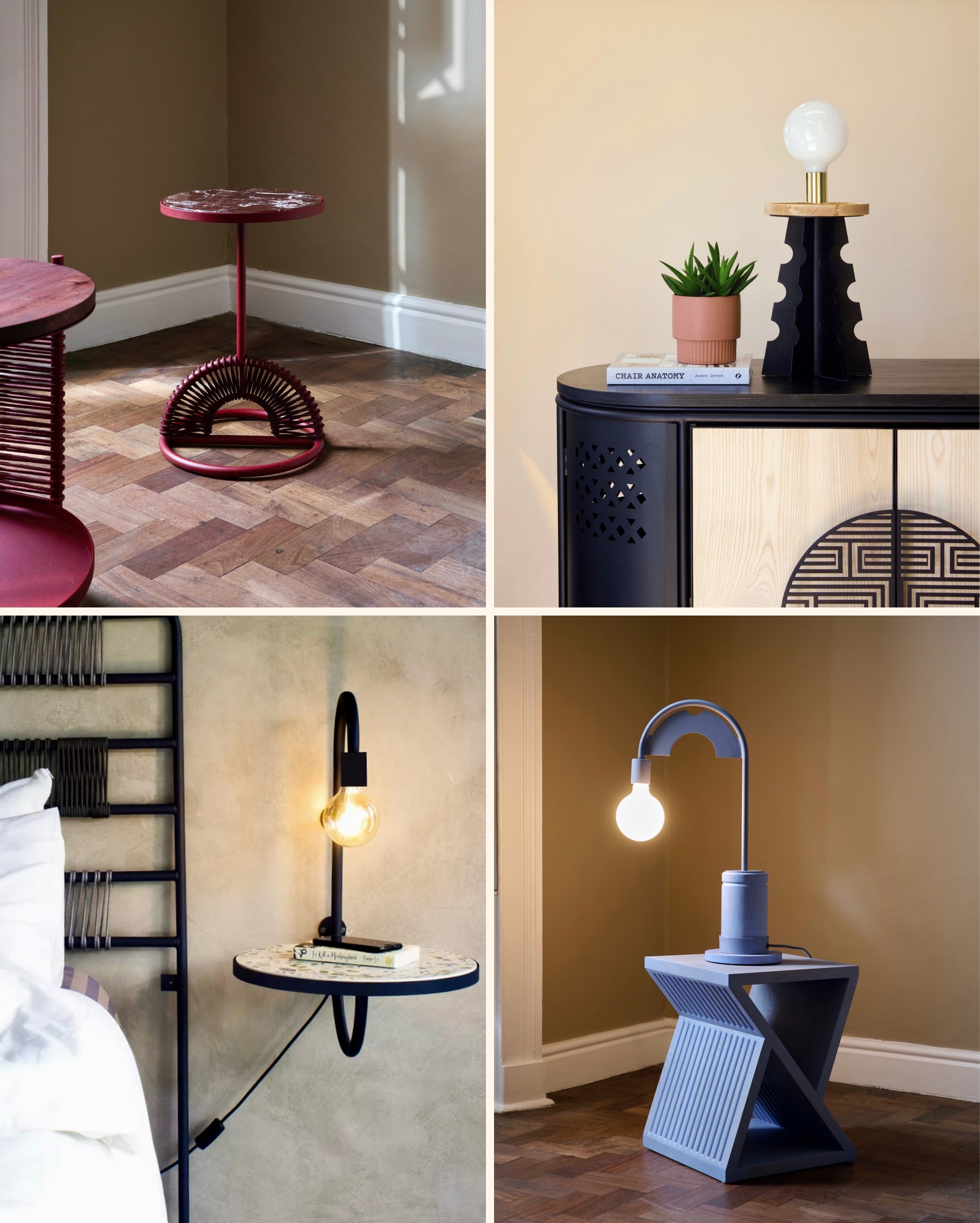
DO YOU HAVE A FAVORITE PART OF YOUR PROCESS? I love the point where research starts becoming material. Our projects often begin with a lot of curiosity. I can disappear down a research rabbit hole because I have discovered a photograph, a hairstyle, a landscape, a word or a historical reference that fascinates me. At that stage, there are almost too many possibilities. Then comes the process of stripping things away. How do you take the essence of that story and translate it into a line, a joint, a proportion, a texture or a material without simply reproducing the original reference?
And then I love prototyping. There is something incredibly satisfying about seeing something that existed in your head become a physical object, particularly because the object almost always talks back. A material doesn't behave the way you imagined. A detail looks too heavy. Something that looked insignificant on a drawing suddenly becomes the most interesting part of the piece. I think that conversation between the idea, the material and the maker is probably my favourite part of designing. You have to be willing to let the object evolve.
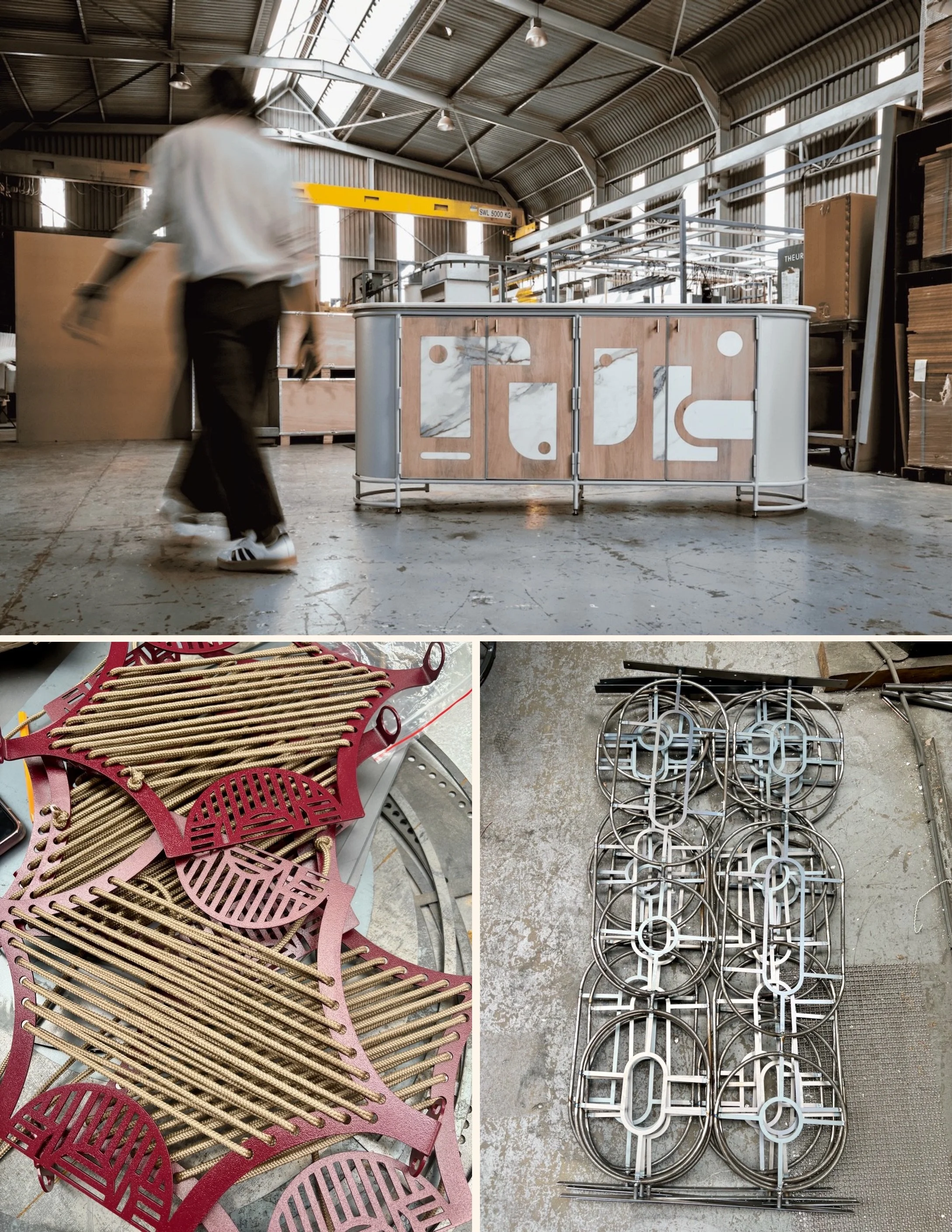
TELL US ABOUT A LOCAL UNSUNG HERO. I don’t think I have one unsung hero. For me, it’s the makers and designers who are willing to look beyond their own disciplines, who work with and learn from craftspeople, artisans and other creative communities. I’m inspired by people who are constantly pushing the conversation around making, craft and design, not only through what they create, but through how they create it. People who collaborate generously, share knowledge, open up opportunities and bring others along with them. There is something powerful about looking outside your own industry and recognising that knowledge and innovation can come from unexpected places. Those are my unsung heroes: the people who keep learning, exchanging and making space for new possibilities and for others to grow alongside them.
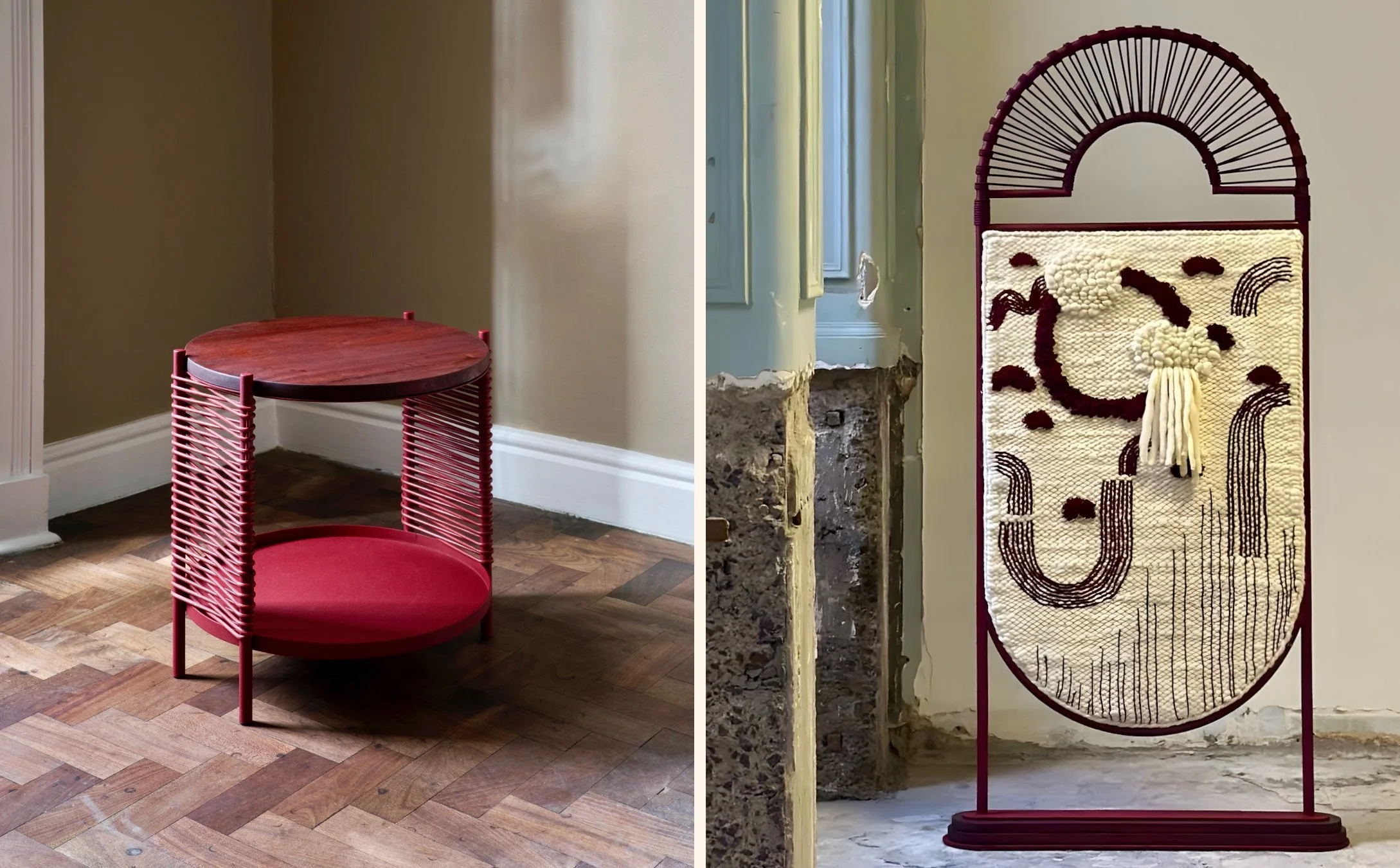
WHAT ARE YOU EXCITED ABOUT FOR THE FUTURE? TheUrbanative turns ten this year, so I have been thinking a lot about evolution. Ten years ago, I was very focused on telling African stories through the visual language of furniture. Now I am increasingly interested in how those stories can live within the material and construction of an object. Our tenth-anniversary collection really explores that shift. We are returning to some of the ideas that informed my earliest work, particularly Ndebele geometry, but looking at them with ten more years of experience. Instead of asking how a cultural reference can influence the surface of an object, we are asking whether it can determine how that object is constructed.
I am excited about having the space to keep evolving creatively. After ten years, I feel like there is still so much for me to explore through research, materials, making and collaboration. I am particularly interested in pushing our material language further and allowing the work to become more layered, more considered and perhaps a little more unexpected.
What excites me most is that I am still curious. Ten years into TheUrbanative, I am still discovering new materials, new processes and new ways of telling stories through objects. I don't think I want to know exactly what the next ten years will look like. I would rather leave room for the work and for me to keep evolving.
Written by Hanneke Lourens, a California-based furniture designer inspired by her South African roots. Hanneke crafts made-to-order collections and custom work by hand at her studio on the Northern California Coast.
See more of her inspiration and process on Instagram.